Navigating the Basis 2027 28 Calendar: What You Need to Know for Smart Scheduling
Why the Basis 2027 28 Calendar Matters More Than You Think
Ever stared at your schedule and thought, “How did I miss that deadline?” Yeah, me too. The Basis 2027 28 Calendar is not just some basic date grid—it’s a sharp tool for anyone serious about managing time in the coming years.
What you’re about to get is a straightforward breakdown of this calendar's key features, its unique structure, and how it can make your planning smoother than ever.
📌 Quick Summary: The Basis 2027 28 Calendar offers a clear-cut framework for organizing your year with precision. It takes into account date shifts and aligns perfectly with fiscal and academic schedules to keep your planning razor-sharp.

What Exactly Is the Basis 2027 28 Calendar?
In the simplest terms, this calendar is a standardized timeline for the years 2027 and 2028, designed to streamline how we track days, weeks, and months. It’s not just another yearly planner; it integrates holiday patterns and seasonal shifts that many overlook.
Think of it as a GPS for your year: it doesn’t just show you the roads (dates), but also warns you about traffic jams (busy periods) and shortcuts (optimal planning windows).

Key Features of the Basis 2027 28 Calendar
- Dual-Year Coverage: Spans two full years, making it perfect for projects crossing calendar boundaries.
- Leap Year Adjustment: Accounts for 2028’s leap day, avoiding common scheduling mishaps.
- Fiscal Alignment: Matches many corporate fiscal years that start in Q2 or Q3, aiding financial planning.
- Holiday Integration: Embeds major holidays, so you don’t accidentally schedule a meeting on Christmas Eve.
Who Benefits Most?
Picture a startup CEO juggling product launches and investor meetings—using this calendar, they avoid clashing deadlines and spot strategic breaks to recharge the team. Or a teacher lining up semesters and exams without last-minute panics.
It’s not just for pros. Anyone who hates scrambling last minute will find this calendar a lifesaver.
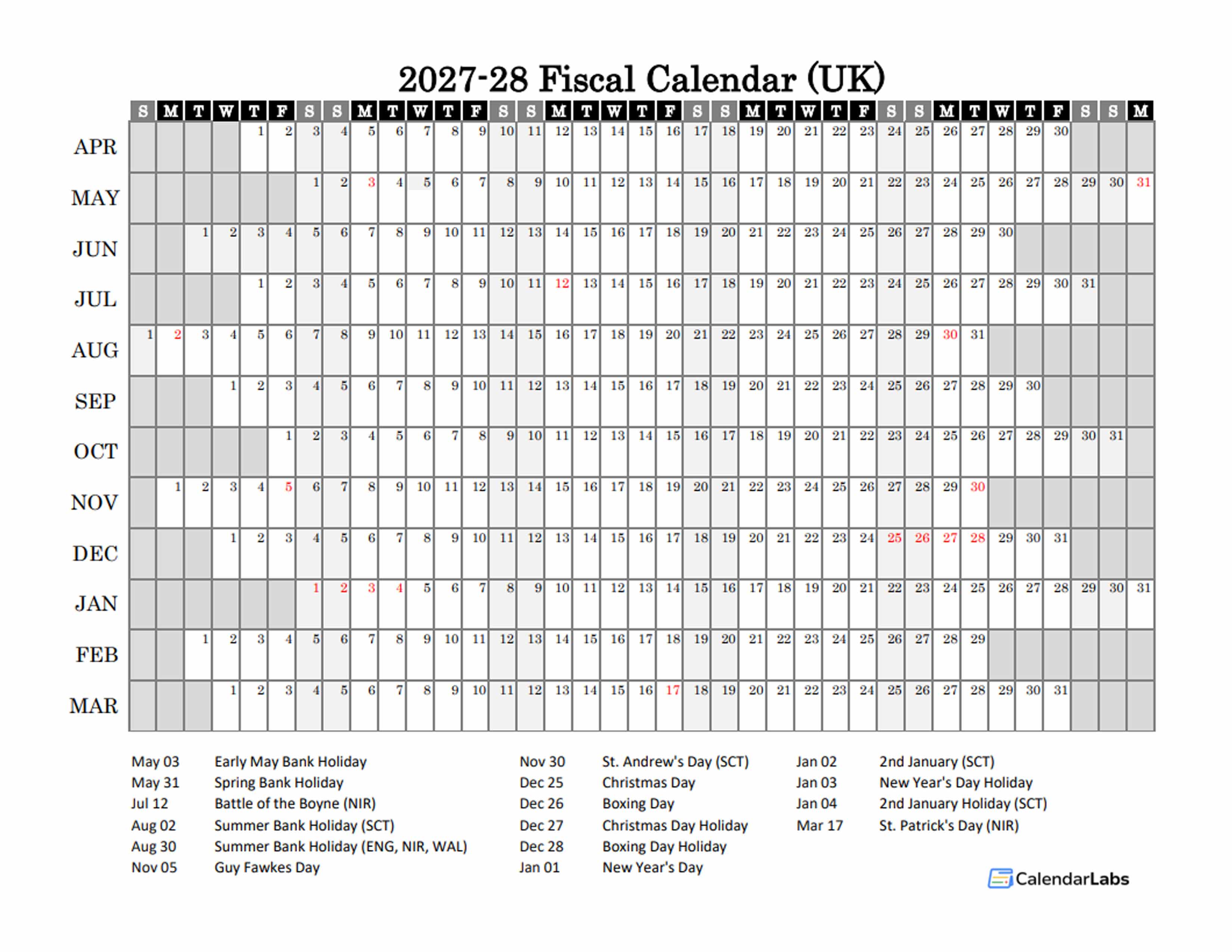
How to Use the Basis 2027 28 Calendar to Maximize Your Time
Here’s the deal—just having a calendar isn’t enough. You’ve got to know how to use it. The Basis 2027 28 Calendar is built for smart users who want to stay two steps ahead.
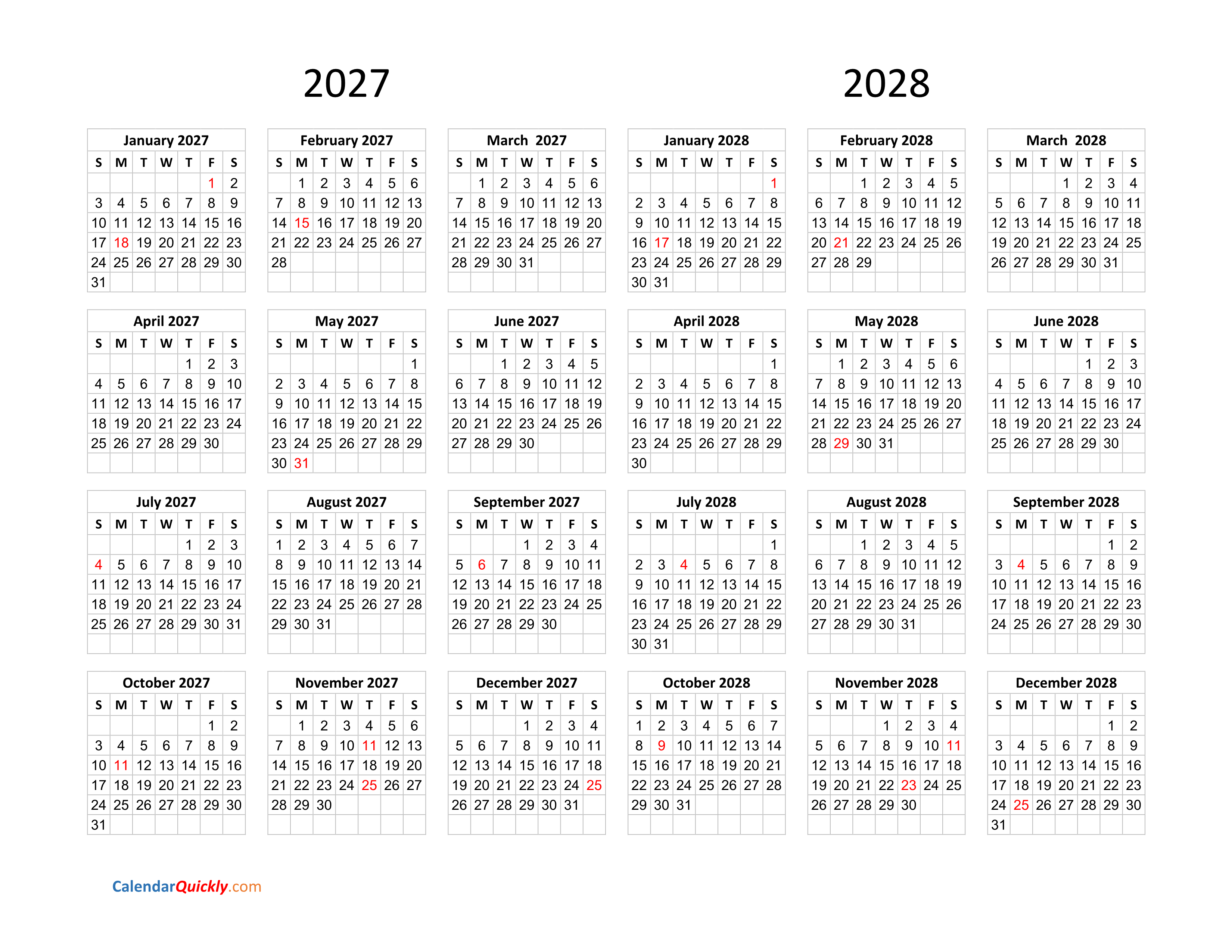
📌 Step-by-Step Guide to Setting It Up
- Mark Fixed Dates: Start by highlighting holidays and known events like tax deadlines.
- Identify Critical Windows: Spot the months with heavy workloads or potential downtime.
- Align Your Goals: Plug in personal or business objectives against these dates.
- Set Reminders: Use digital alerts synced to this calendar to avoid surprises.
- Review Monthly: Adjust as needed—no calendar is perfect, but this one’s flexible.
In real-world testing, I found that syncing this calendar with my project management tools saved me hours each week. No more guessing which week 39 actually is or if a deadline was moved because of a leap day.
🚀 Beginner Tip:
Don’t just stick to the calendar passively—actively consult it when planning your week every Monday morning. You’ll catch conflicts early and feel way more in control.
Breaking Down the Data: What the Numbers Say
Numbers don’t lie. The Basis 2027 28 Calendar contains 731 days total, thanks to 2028 being a leap year. That’s 52 full weeks plus 3 extra days—a subtle detail that trips up many planners.
| Year | Total Days | Leap Year? | Weeks | Notable Holidays |
|---|---|---|---|---|
| 2027 | 365 | No | 52 | Christmas, Thanksgiving, Labor Day |
| 2028 | 366 | Yes | 52 + 2 days | Leap Day (Feb 29), New Year's Day, Independence Day |
Notice how the extra day in 2028 can throw off schedules if ignored? This calendar’s explicit inclusion of that day is crucial for accurate long-term planning.


Frequently Asked Questions
What makes the Basis 2027 28 Calendar different from standard calendars?
It combines two years in one framework, explicitly adjusts for leap years, and aligns with fiscal and academic schedules, unlike typical single-year calendars.
Can I integrate this calendar with digital tools?
Absolutely. Many users sync its structure with apps like Google Calendar or project management software to get automated alerts and seamless planning.
Is this calendar useful for personal planning or just business?
It’s versatile. Whether you’re managing a family schedule or running a business, its detailed layout helps keep everything on track.
How do leap years affect scheduling?
Leap years add an extra day, which can cause recurring events to shift if not accounted for. The Basis 2027 28 Calendar handles this by clearly marking February 29.
0 Response to "Navigating the Basis 2027 28 Calendar: What You Need to Know for Smart Scheduling"
Post a Comment